India AI data collection partner
Indian speech & AI training data collection
Multilingual Indian speech, voice and conversational datasets — recruited, recorded, transcribed and QA’d under one scope.
Built for teams that train, evaluate and ship speech models
Consent-first
Signed AI-training consent mapped to every speaker ID
Native QA
Two-pass review by native speakers before delivery
Dialect quotas
Recruitment by region, not by convenience
Your ingest format
WAV, transcripts and metadata in your layout
We are not a recording studio. We are the collection partner that runs India for you.
What a studio sells
A room and an engineer. That leaves you managing recruitment, dialect quotas, consent, transcript quality and per-city logistics across a country with 22 scheduled languages.
What we take on
The dataset specification. Recruitment, scripting, recording, transcription, annotation, QA and delivery sit with us, under one scope and one point of contact.
What you get back
One deliverable that matches the spec, with the per-speaker metadata, consent records and QA report your pipeline and your legal team both expect.
How a dataset actually gets built.
Four things decide whether a corpus is usable: who you recruit, how you record them, what survives QA, and what lands in your pipeline.
Design the cohort
A quota matrix, not a headcount.
Budget honestly
Recorded hours are not delivered hours.
Match the deployment
Telephony captured over a real call path.
Start small
Prove all of this on 30 minutes of your target language, free.
Run it through your own pipeline and read the error breakdown by speaker and dialect before anyone signs anything.
What lands in your pipeline
Twelve service lines, one delivery standard
Every line runs the same recruitment, consent and QA discipline. Combine them into a programme or buy one in isolation.
Speech data collection
Recruited-speaker speech corpora recorded to a written specification.
3-6 weeks for 100-500 hours in a single language; multi-language programmes run in parallel.
Voice recording
Studio voice recording built for model training rather than broadcast.
2-5 weeks depending on speaker count and city spread.
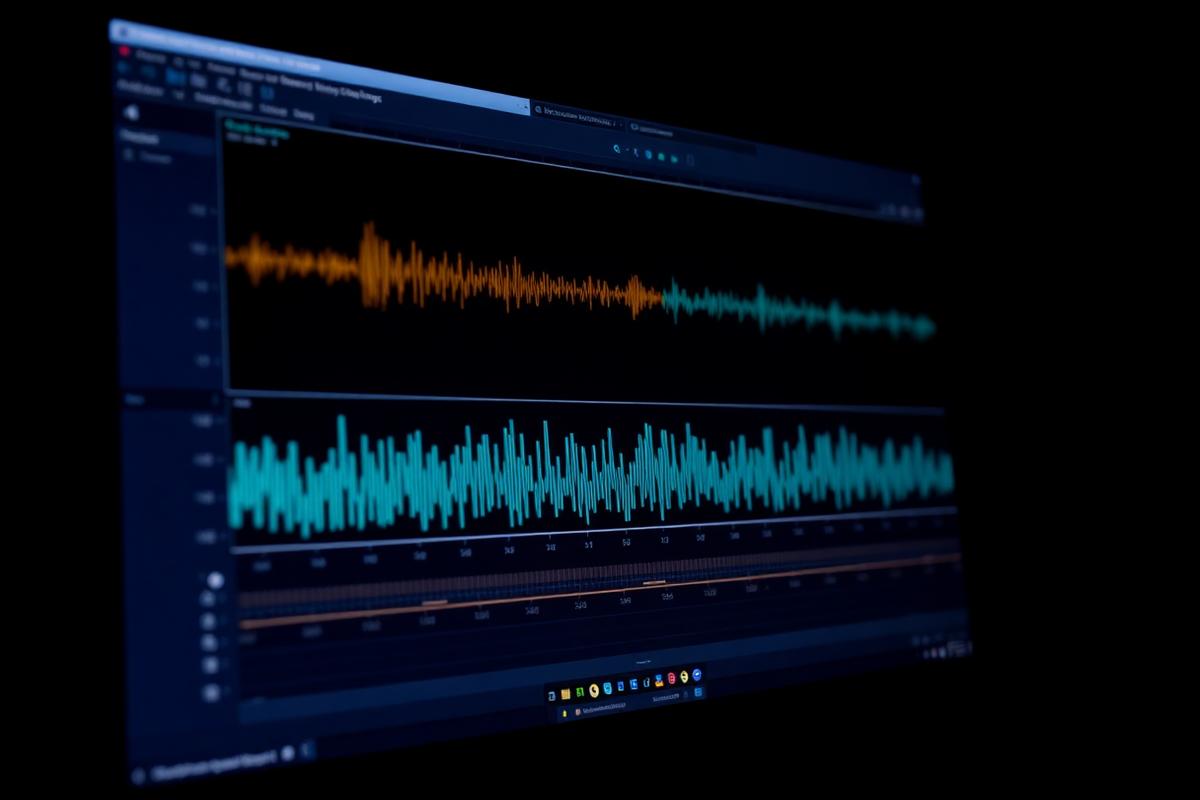
ASR datasets
Transcribed speech corpora built to train and evaluate automatic speech recognition, with verbatim transcription, timestamps and per-token language tagging where code-mixing occurs..
Transcription adds roughly 1-2 weeks per 100 hours after recording, per language.
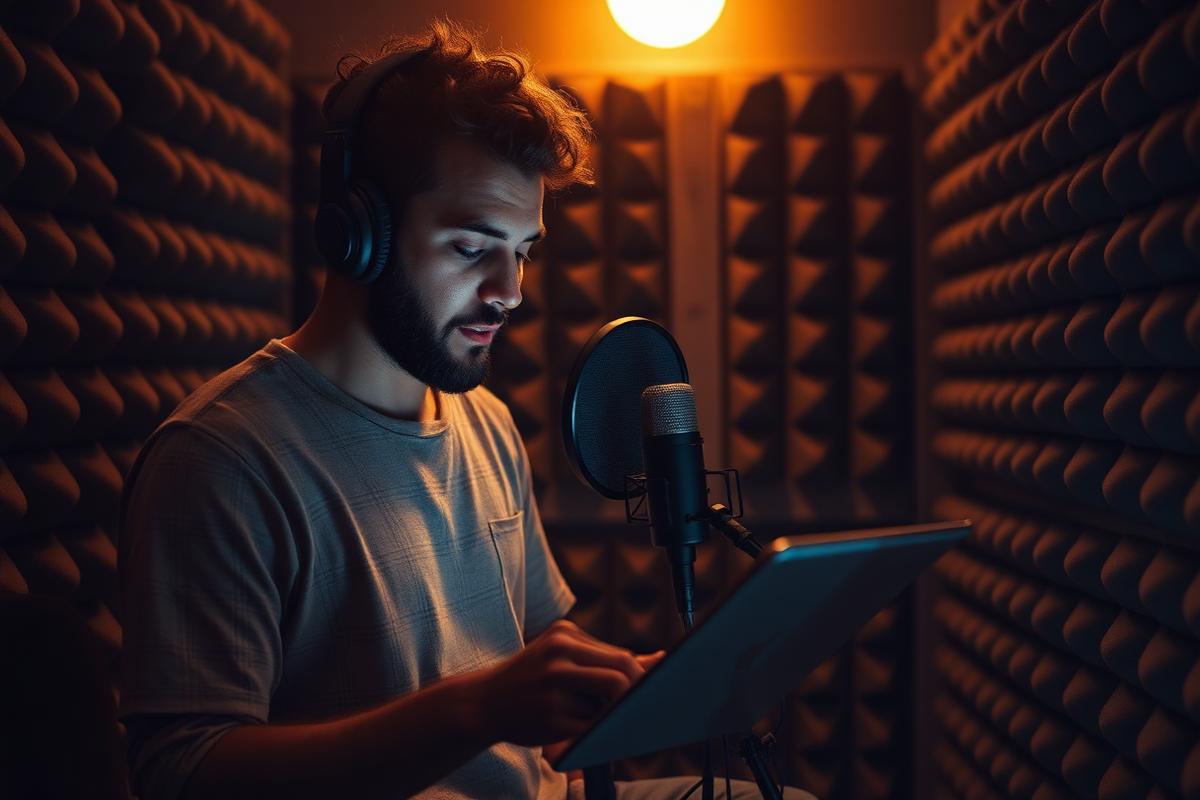
TTS datasets
Single-speaker and multi-speaker text-to-speech corpora with phonetically balanced scripts, consistent prosody, and studio-grade capture suitable for neural TTS..
4-8 weeks for a 20-40 hour single-speaker voice build including casting.
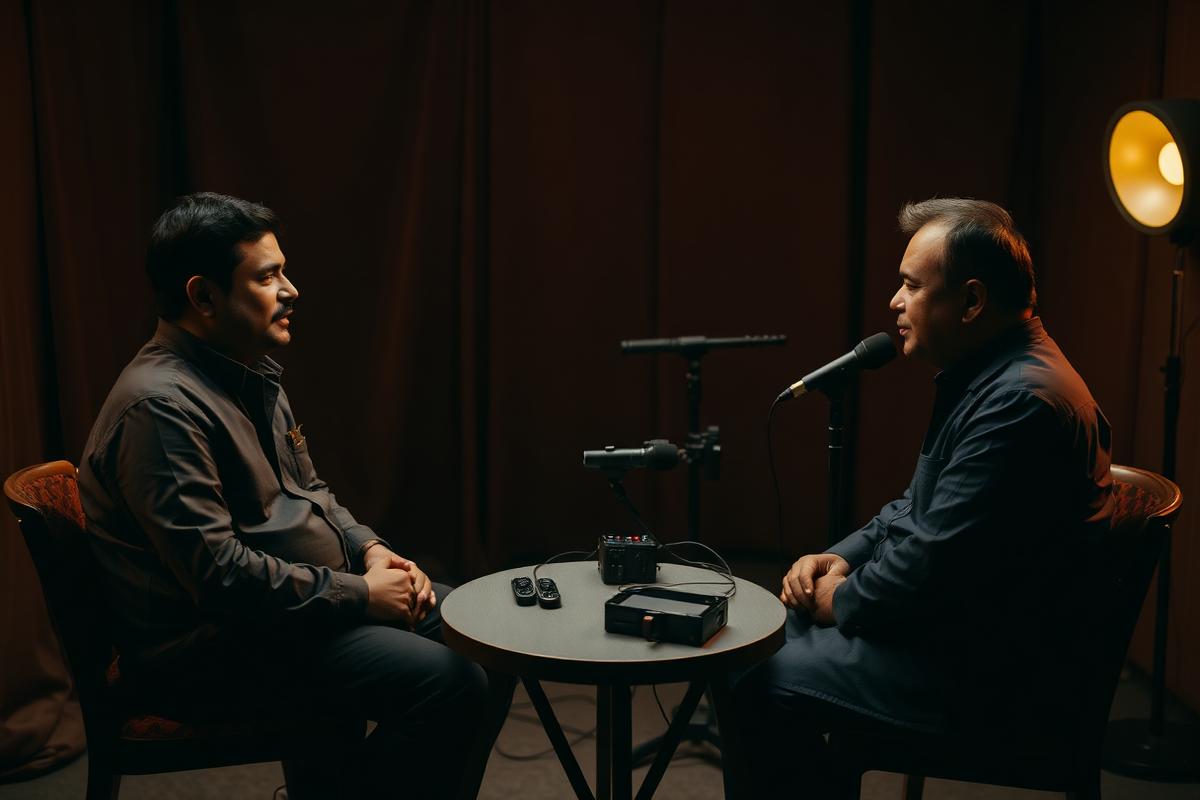
Conversational speech
Natural two-party and multi-party conversation recorded with separate channels per speaker, covering the overlaps, interruptions and turn-taking that scripted data never produces..
4-7 weeks for 100-300 hours in one language.
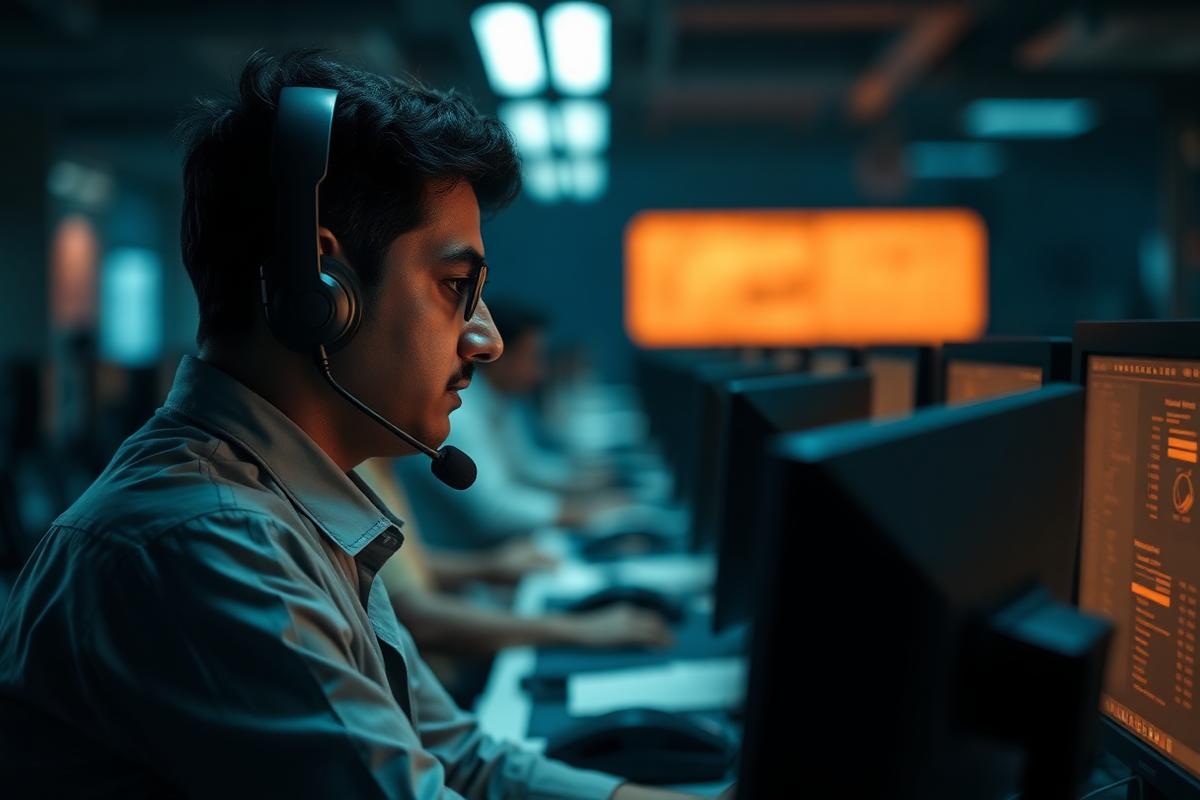
Call-centre speech
Simulated and consented real-world contact-centre audio in Indian languages, recorded over telephony-grade channels so it matches the bandwidth your production system actually sees..
3-6 weeks for 100-250 hours.
Transcription
Verbatim and clean-read transcription of Indian-language audio by native speakers of the target variety, delivered against a written style guide with measured agreement..
1-2 weeks per 100 audio hours per language.

Translation
Human translation and parallel-corpus creation across Indian languages, built for machine-translation training and multilingual LLM evaluation rather than for publication..
2-4 weeks for typical corpus volumes per language pair.
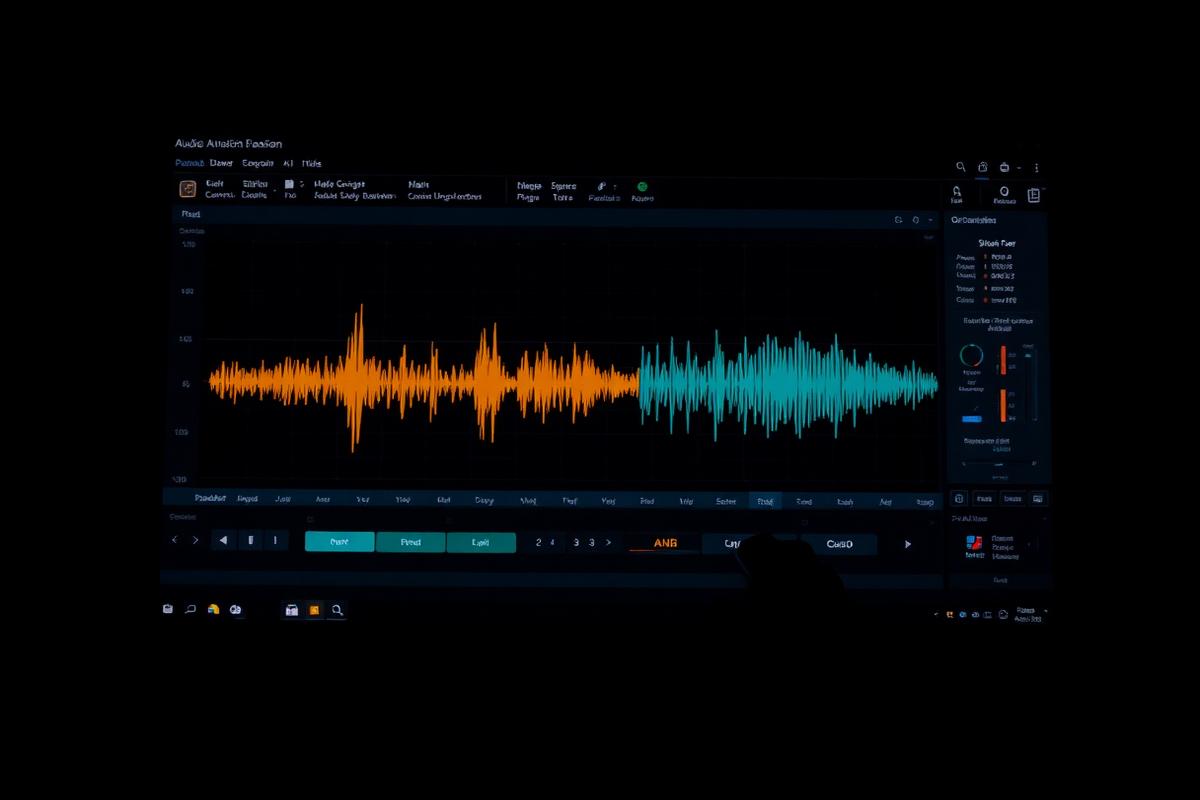
Audio annotation
Labelling of existing audio.
Scoped per label complexity; simple diarisation runs at roughly 3-5x real time.
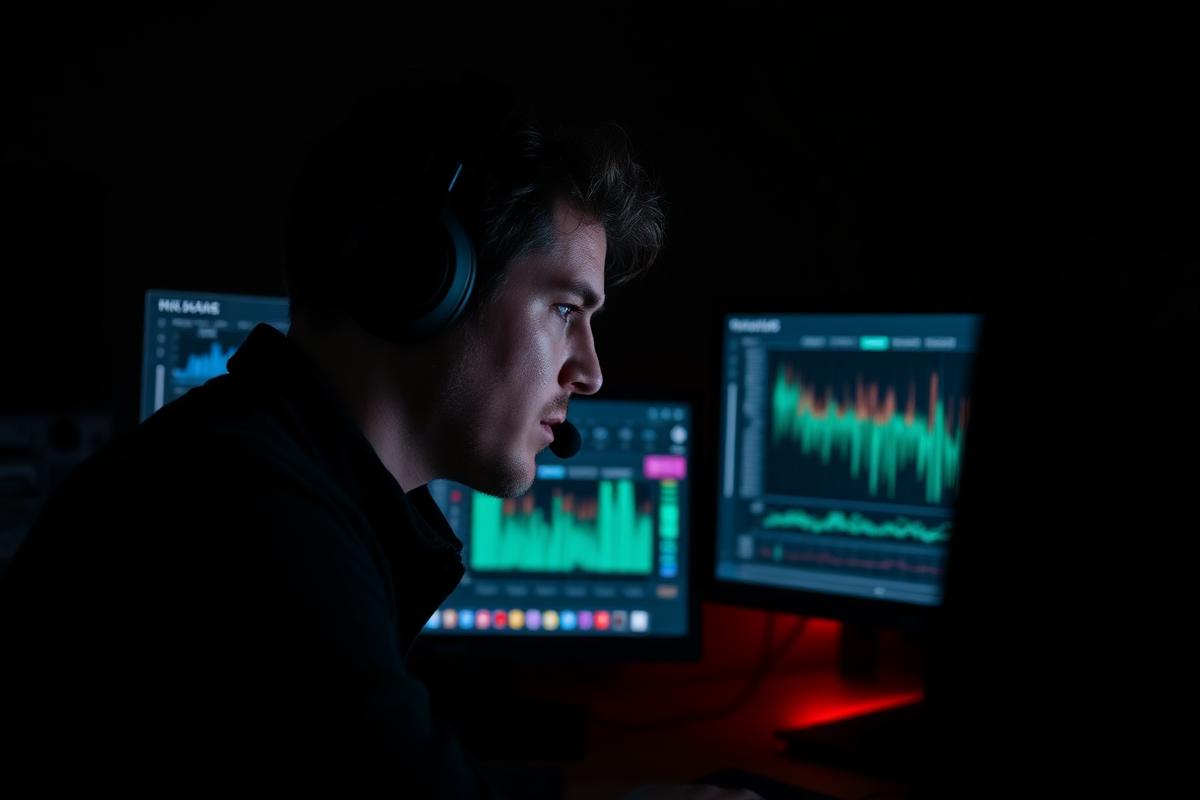
Voice evaluation
Human evaluation of your speech models.
1-3 weeks per evaluation round.
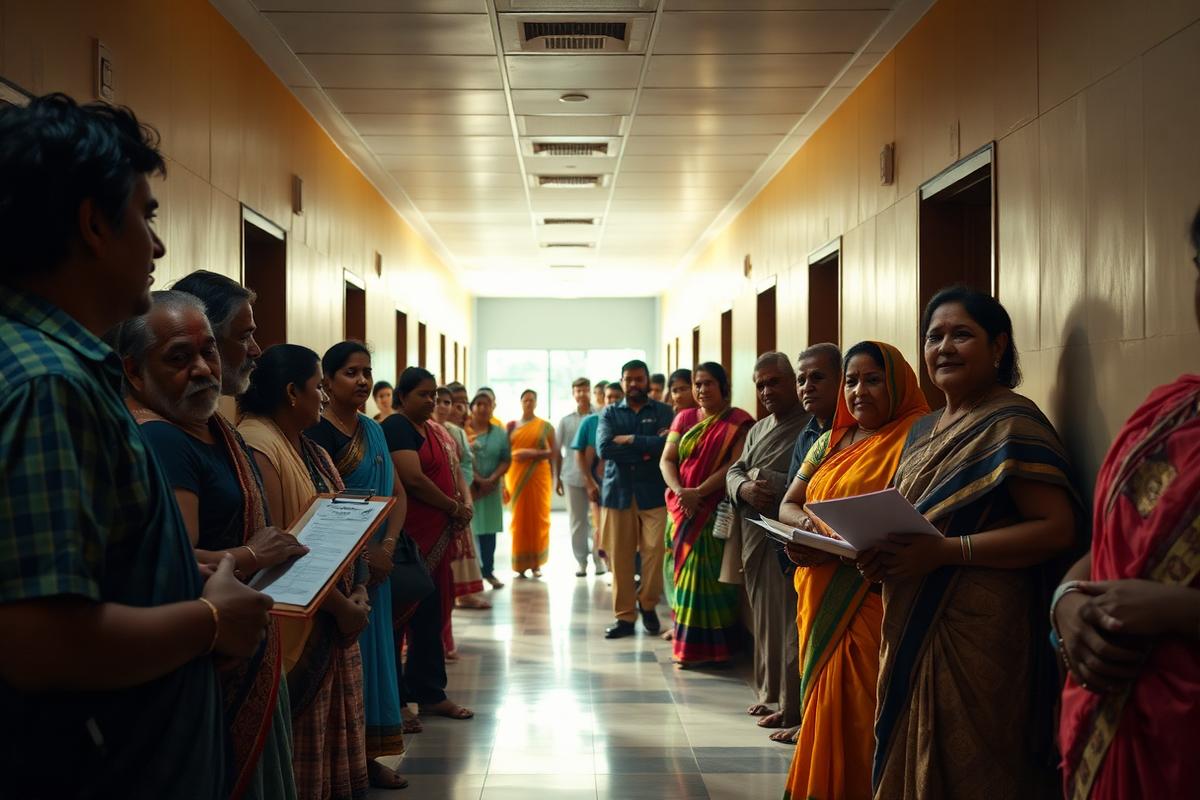
Multilingual collection
Parallel programmes across several Indian languages at once, run to one specification so the resulting datasets are comparable rather than a set of incompatible deliveries..
6-12 weeks for a multi-language programme, depending on the smallest-pool language in scope.
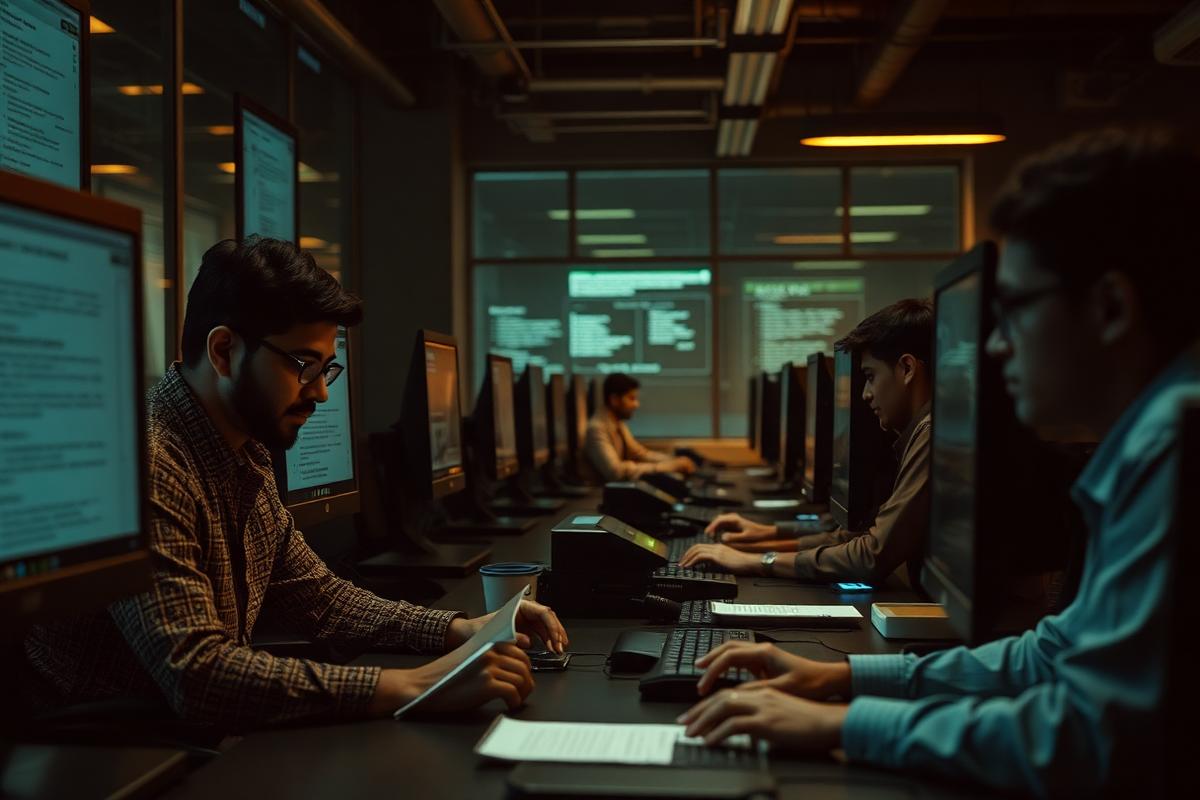
LLM human data
Human-generated text and speech for LLM training and evaluation in Indian languages.
2-6 weeks depending on task complexity and contributor screening depth.
Studio, field and desk work under one protocol
The same recording standard whether the session runs in a treated booth in Mumbai or a portable rig in rural Bihar.
Treated studio capture
Calibrated chains, ambient noise floors logged per session, consistent mic distance.
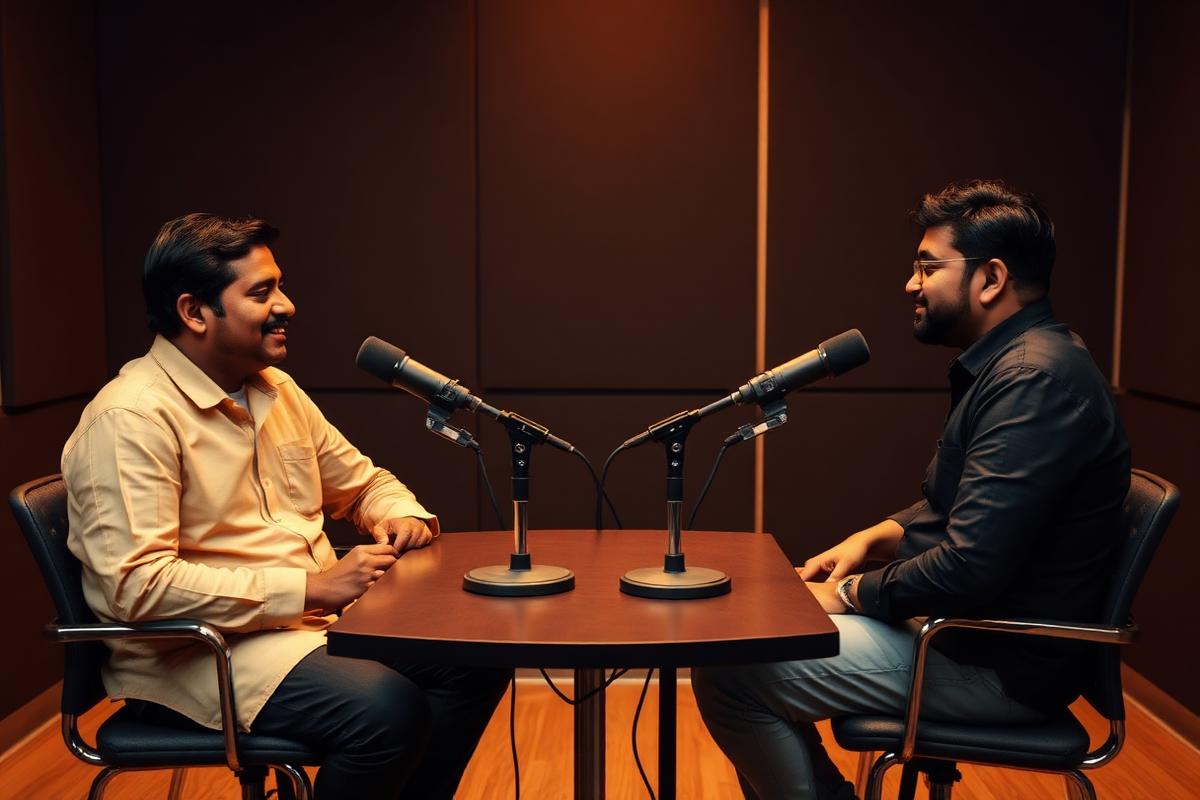
Two-speaker conversation
Unscripted dialogue with separate channels for clean diarisation labels.
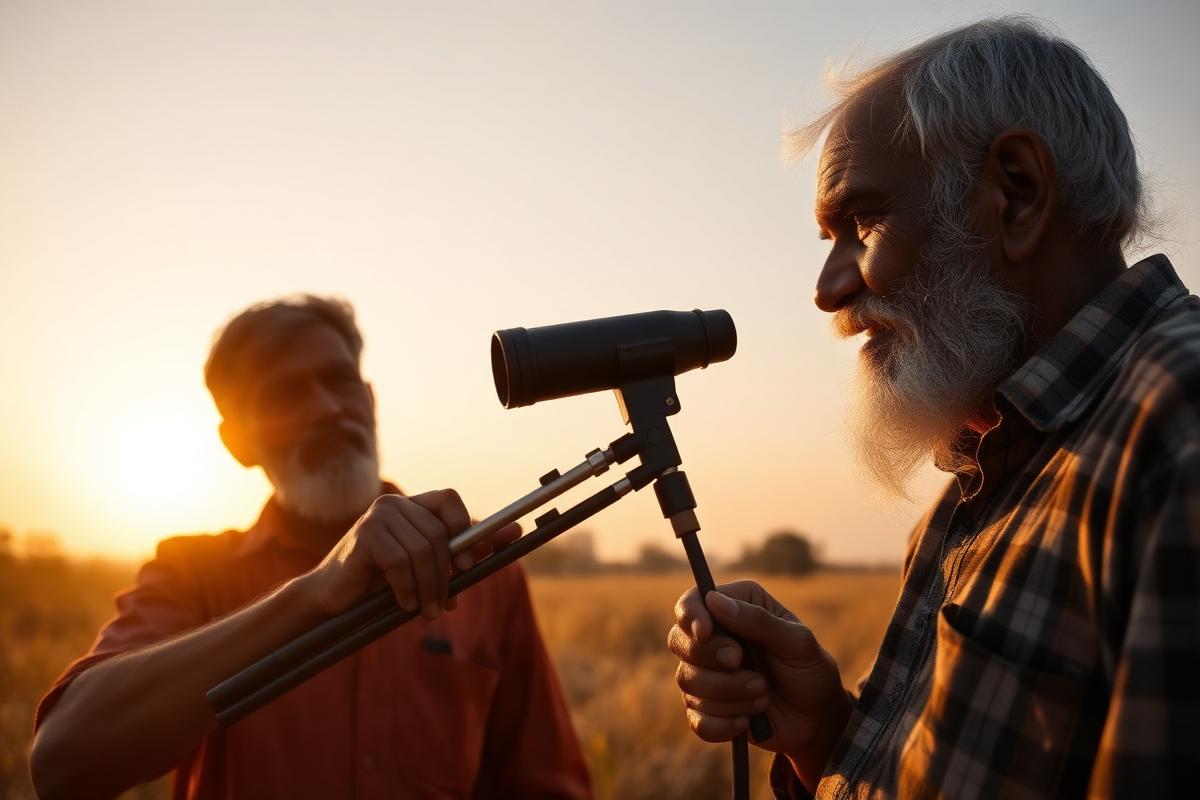
Field and rural capture
Portable rigs for speakers who will never come to a metro studio.
Recruitment at scale
Native recruiters filling dialect, age and gender quotas city by city.
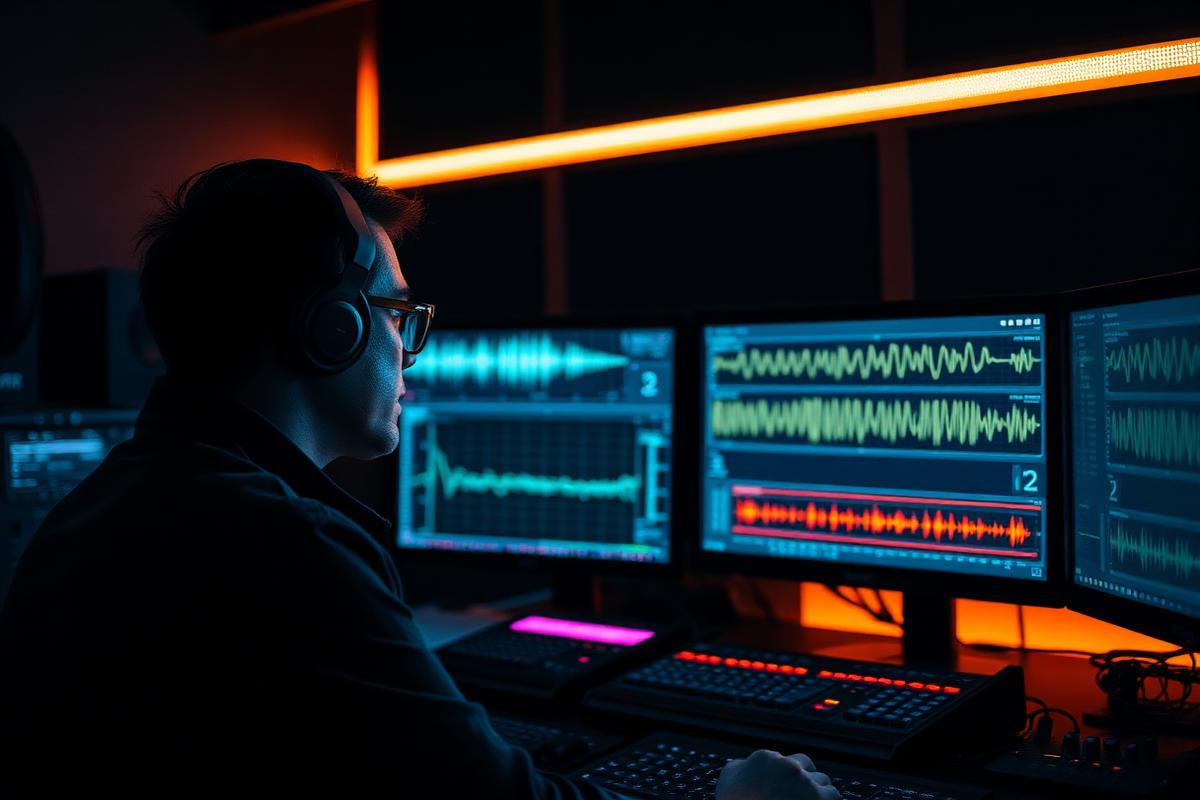
Two-pass QA
Audio validation plus transcript review before anything is marked deliverable.
Structured delivery
WAV, transcripts and per-speaker metadata in the layout your pipeline ingests.
14 Indian languages, recruited by dialect
Speaker counts are the easy part. The work is covering the dialect spread inside each language rather than shipping one prestige variety.
| Language | Script | Speakers | Dialects | Collection page | Get started |
|---|---|---|---|---|---|
| Hindiहिन्दी | Devanagari | 528M | 7 | Hindi speech data → | Free sampleCatalog |
| Marathiमराठी | Devanagari | 99M | 6 | Marathi speech data → | Free sampleCatalog |
| Tamilதமிழ் | Tamil | 82M | 6 | Tamil speech data → | Free sampleCatalog |
| Teluguతెలుగు | Telugu | 96M | 4 | Telugu speech data → | Free sampleCatalog |
| Kannadaಕನ್ನಡ | Kannada | 59M | 5 | Kannada speech data → | Free sampleCatalog |
| Bengaliবাংলা | Bengali | 97M | 5 | Bengali speech data → | Free sampleCatalog |
| Gujaratiગુજરાતી | Gujarati | 55M | 5 | Gujarati speech data → | Free sampleCatalog |
| Malayalamമലയാളം | Malayalam | 35M | 5 | Malayalam speech data → | Free sampleCatalog |
| Punjabiਪੰਜਾਬੀ | Gurmukhi | 33M | 5 | Punjabi speech data → | Free sampleCatalog |
| Odiaଓଡ଼ିଆ | Odia | 38M | 5 | Odia speech data → | Free sampleCatalog |
| Assameseঅসমীয়া | Assamese (Eastern Nagari) | 15M | 4 | Assamese speech data → | Free sampleCatalog |
| Urduاردو | Perso-Arabic (Nastaliq) | 51M | 5 | Urdu speech data → | Free sampleCatalog |
| HinglishHinglish | Devanagari + Latin | 350M | 4 | Hinglish speech data → | Free sampleCatalog |
| Indian EnglishIndian English | Latin | 130M | 5 | Indian English speech data → | Free sampleCatalog |
What the data trains
Datasets specified backwards from the model you are training and the metric you are trying to move.
ASR Model Training
Building or fine-tuning speech recognition for Indian languages from scratch or from a multilingual base model.
TTS Voice Building
Creating a natural synthetic voice in an Indian language, from casting through to a trainable studio corpus.
Wake Word Detection
Training and hardening a device wake word against Indian phonetics, background noise and near-miss phrases.
IVR & Voice Bots
Deploying automated telephony flows that hold up against real Indian callers on narrowband lines.
Speaker Diarisation
Determining who spoke when in multi-party Indian-language audio, including overlapped speech.
Accent Adaptation
Adapting an English or multilingual model so it holds accuracy across Indian accent bands.
Code-Switching ASR
Recognising speech that switches between an Indian language and English several times per sentence.
Voice Biometrics
Speaker verification and anti-spoofing systems that must work across Indian languages and telephony channels.
Speech Emotion Recognition
Detecting frustration, satisfaction and escalation in Indian-language customer conversations.
LLM Evaluation
Human evaluation of large language model output in Indian languages, including cultural and factual fit.
Machine Translation
Training and evaluating translation between English and Indian languages, and between Indian languages.
Speech Analytics
Mining Indian-language call and meeting audio for intent, compliance and quality signals.
Built for teams that ship speech and language models
AI Companies
Product and platform teams that need Indian-language training data on a schedule that matches their model release cycle, not a vendor's studio availability.
Speech AI Companies
Teams whose core product is speech recognition or synthesis, where dataset quality is the product roadmap and word error rate is the metric everyone watches.
LLM Companies
Foundation and applied LLM teams that need Indian-language human data with provable provenance, covering languages their web crawl barely touched.
Conversational AI Companies
Voice-bot and chat-plus-voice platforms deploying into Indian markets, where the gap between demo accuracy and live accuracy is a code-mixing problem.
Call Centre AI Companies
Agent-assist, QA-automation and voice-bot vendors serving Indian BPO and enterprise contact centres, working with narrowband telephony audio and heavy accent variation.
Voice Assistant Companies
Device, OS and appliance makers shipping assistants into Indian homes and vehicles, where wake-word reliability and far-field accuracy decide the review scores.
AI Data Companies
Data vendors and labelling platforms that win Indian-language work and need a delivery partner on the ground who works to their spec and under their brand.
ML Research Groups
Academic and industrial research teams building benchmarks and studying low-resource Indian languages, where documentation and reproducibility matter as much as volume.
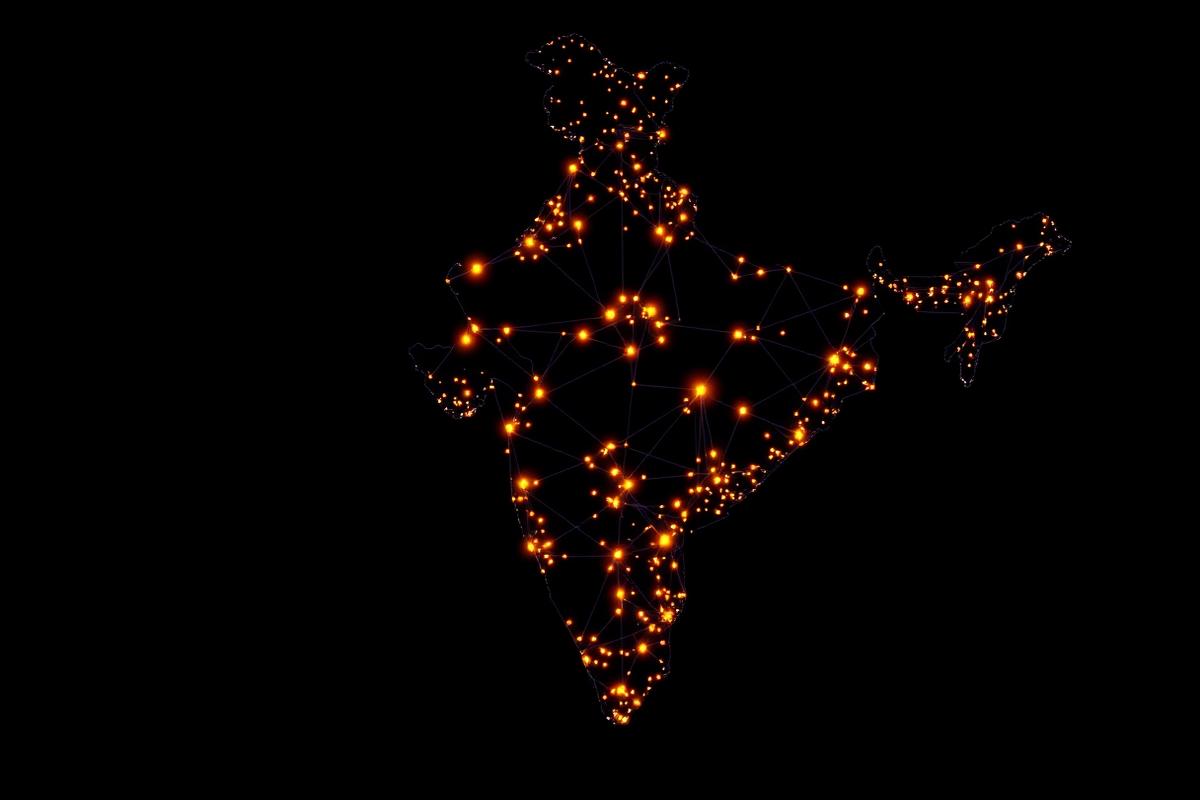
20 recruitment hubs, one delivery standard
Dialect coverage is a geography problem before it is an audio problem. We run recruitment where the accent actually lives — Bhojpuri-influenced Hindi in Patna, Deccani Urdu in Hyderabad, Kongu Tamil in Coimbatore.
Priced by the shape of the corpus, not by the hour
Pick a volume band and a speech style to see the spec, the recruitment plan and what the delivery actually contains.
Scripted Speech
Prompt-read speech from a phonetically balanced script, the baseline corpus type for ASR and TTS training.
Spontaneous Speech
Unscripted monologue on prompted topics, which carries the disfluencies and prosody that scripted data never produces.
Conversational Speech
Two-party conversation recorded on separate channels, with overlap and turn-taking preserved.
Telephony Speech
Narrowband call audio captured over a telephony path, matching what a deployed contact-centre model actually receives.
Enquiry to delivered corpus
Four steps, one point of contact, no handoffs between vendors.
- 01
You send the spec
Languages, hours or speakers, quality bar, deadline. One line is enough to start.
- 02
We scope and quote
Recruitment plan, dialect quotas, recording protocol, annotation depth, fixed price.
- 03
We collect across India
Native recruiters and partner studios in 20 cities run sessions to a single protocol.
- 04
QA and delivery
Two-pass transcript QA, audio validation, metadata, then delivery in your ingest format.
However you like to start
Some teams want a sample in their pipeline this week. Others run a full RFP. Both routes end at the same delivery standard.
Start and scale
- Pricing & ratesPer hour and per speaker, by service
- Free 30-minute sampleRun it through your own pipeline
- Paid pilot projectProve the protocol before you scale
- Ready-made datasetsAlready collected and QA'd
- Buy datasetsPriced by language and speech style
- Dataset specificationsVolume bands, quotas and deliverables
- Turnaround timesWhat each service realistically takes
- Request a quoteScope, plan and fixed price
Comparing vendors
- Vendor alternatives
- Head-to-head comparisons
- Hire a data company
- Compliance & consent
- Send us an RFP
- Vendor onboarding
Send us the same specification you sent everyone else. Compare on files, price and schedule rather than on the pitch deck.
How this work actually runs
Written for the people who have to specify, review and sign off the dataset.
Buying guides
How do you write a speech data RFP?
A speech data RFP should specify eight things: languages and dialect quotas, speaker count, minutes per speaker, demographic splits, recording conditi…
4 min read
Compliance
What consent do you need to use Indian speech data for AI training?
You need written, informed consent taken in the speaker's own language, explicitly covering commercial AI and machine-learning model training, the ter…
4 min read
Market analysis
Why do AI models underperform on Indian languages?
Indian-language models underperform mainly because of data, not architecture. Public corpora for most Indian languages are small, read-speech heavy, u…
4 min read
Data design
Should you collect scripted or spontaneous speech data?
Collect both, in a ratio set by your deployment. Scripted speech gives phonetic coverage cheaply and is the right base for TTS and for early ASR boots…
4 min read
Buying guides
How do you choose a speech data collection company in India?
Choose on four things: whether they own the recruitment layer or only book studios, whether they can show a written annotation guideline per language,…
4 min read
Process
How long does a speech data collection project take?
A 100–300 hour single-language Indian corpus typically takes three to six weeks from signed scope to final delivery, with rolling batches from week tw…
4 min read
The questions that come before a quote
Which Indian languages do you collect speech data in?
We collect in 14 Indian languages including Hindi, Marathi, Tamil, Telugu, Kannada, Bengali, Gujarati, Malayalam, Punjabi and Urdu, plus code-mixed Hinglish and Indian English. Each language is recruited by region and dialect rather than treated as a single standard variety.
How quickly can a speech dataset be delivered?
A single-language corpus of 100-500 hours typically runs 3-6 weeks from requirement lock. Multi-language programmes run in parallel rather than in sequence, so adding languages costs less time than it costs budget.
Can we see a sample before committing?
Yes. We provide a free 30-minute sample in your target language so you can run it through your own pipeline, and a paid pilot for teams that want the full protocol and QA report proven before scaling.
How is speaker consent handled?
Every speaker signs a consent form covering AI training use, mapped to their speaker ID and delivered with the corpus. Consent records, demographic metadata and QA reports ship as part of the dataset, not as an afterthought.
What do you need in order to quote?
Language, volume in hours or speakers, recording quality and deadline. Anything missing we ask once. You get a scope, a recruitment plan and a fixed price within one working day.
Tell us your requirements. Get a quote.
“1,000 speakers, Hindi, 30 minutes each, 50/50 male-female, 18-45, studio quality.” That is a complete brief as far as we are concerned.